
Body Spray Manufacturers in UAE: Private Label Body Mist Production
What Is a Body Spray?
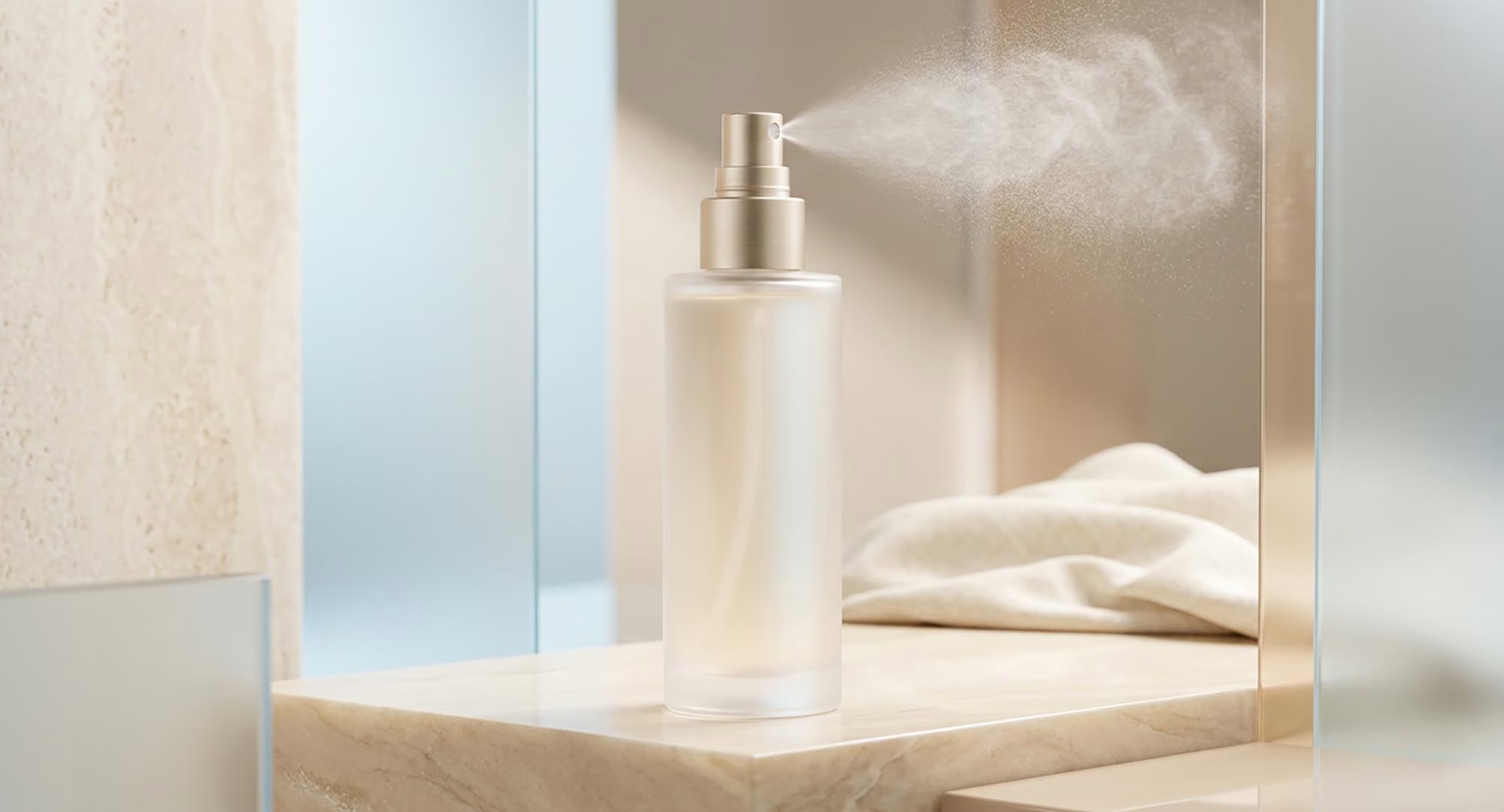
A light fragrance built for generous, frequent use.
The simplest way to understand the category is by concentration. An eau de parfum carries a high proportion of fragrance oil. A body spray carries considerably less.
That single difference drives everything else. A lighter product is cheaper to make, sold in larger bottles, applied more freely and replaced more often.
It is not a weaker version of perfume. It is a different product solving a different problem.
Perfume is bought occasionally and used sparingly. Body spray is bought regularly and used without thinking, which makes it a volume business rather than a margin one.
Understanding that distinction is the difference between a profitable line and an expensive lesson.
Why Body Spray Sells So Well in This Market
Climate, habit and price, in roughly equal measure.
Heat makes a refreshing all-over spray a daily necessity rather than an indulgence. Gym bags, work desks and handbags all carry one.
Layering is normal here too. A body spray sits comfortably underneath a perfume rather than competing with it, which means customers buy both.
Then there is price. A body spray reaches a customer who is not ready to spend on a full fragrance, and it reaches them repeatedly.
For a brand, that is the appeal. Lower barrier to trial, faster repurchase, and a product that introduces people to your name.
What Do Body Spray Manufacturers Produce?
- Classic body sprays. Light fragrance in a pump or trigger format, usually 150ml to 250ml.
- Body mists. Softer, finer spray, often positioned slightly more premium.
- All-over sprays. Larger formats intended for generous use across body and clothing.
- Companion products. Matched to an existing perfume as a lighter daily version.
The Economics Are Completely Different From Perfume
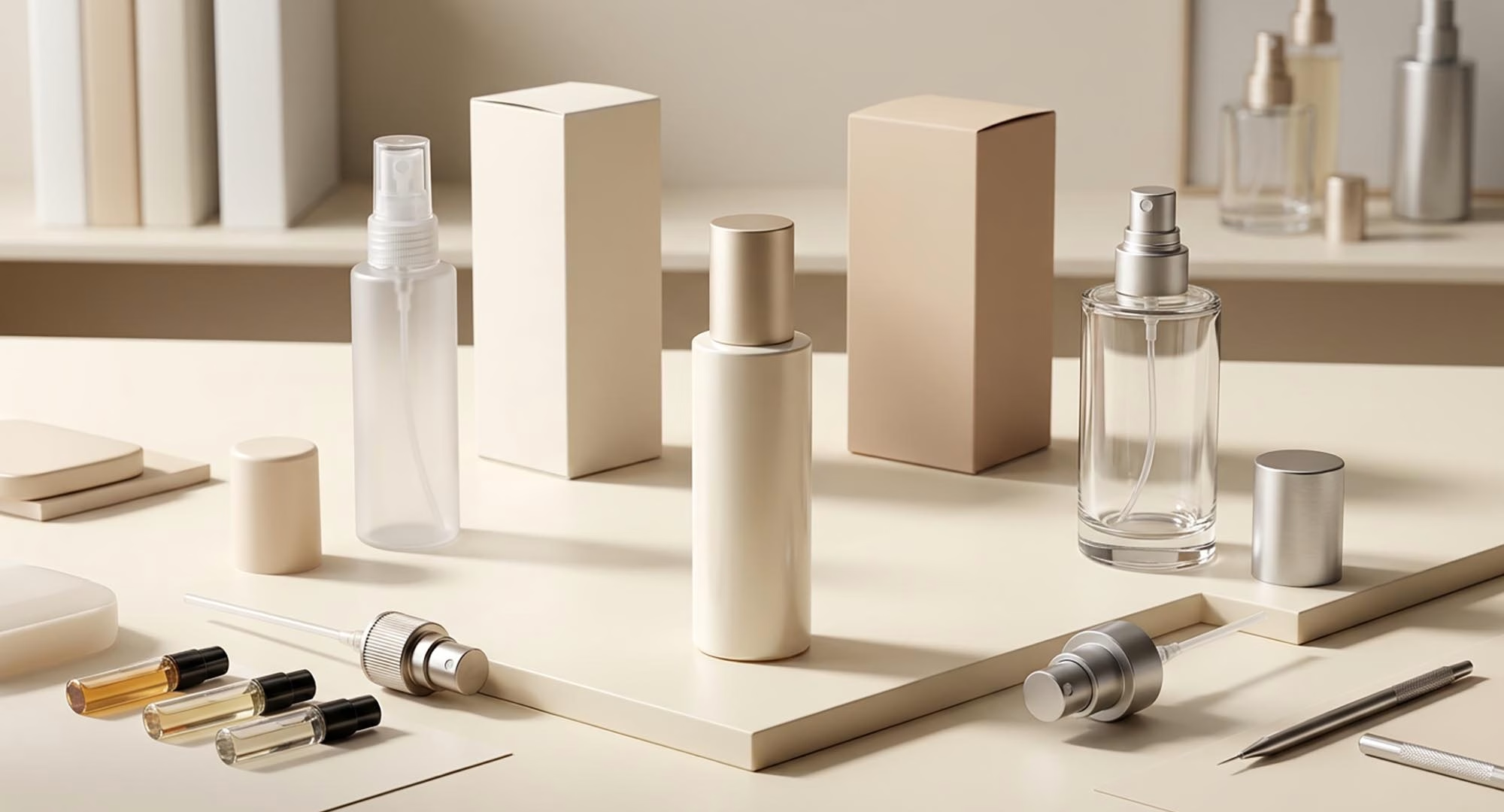
This is the section worth reading twice.
On a perfume, the fragrance oil is a meaningful share of the unit cost. On a body spray at a value price point, it often is not.
Packaging takes over. The bottle is larger, the sprayer is mechanical rather than a fine atomiser, and the carton is bigger. All three scale with size rather than with fragrance quality.
Then freight. A 200ml bottle occupies real space and real weight, and at distribution volumes that becomes one of the largest lines in the whole calculation.
Which means the way to hit a target shelf price is rarely by cheapening the scent. It is by engineering the packaging and the logistics.
What Actually Moves the Unit Cost
Five levers, in order of how much they matter at volume.
- The steepest gains land early, then flatten. Body spray runs are usually large for exactly this reason.
- Bottle size and material. The single biggest packaging decision. Every extra millilitre carries cost through the whole chain.
- Sprayer type. Pump, trigger or fine mist. They are not interchangeable and they are not similarly priced.
- Fragrance concentration. Real, but smaller than people assume at this tier.
- Carton and print. Simple single-pass print keeps this efficient at scale.
Ask a factory what would have to change to reach your target cost. A good one will start with the bottle rather than the juice.
Choosing the Right Format and Size
Decide this before anything else, because everything depends on it.
The Standard Retail Sizes
Most of the market sits between 150ml and 250ml. That range feels generous in the hand without becoming awkward to carry or expensive to ship.
Smaller formats around 100ml work for travel and gift sets. Larger formats above 250ml appeal on value but cost disproportionately more to move.
Glass or Plastic
Both are used, and the choice signals price tier more than anything else on the shelf.
Glass reads premium and weighs more. Plastic ships cheaply and survives handling, which matters for e-commerce and gym-bag use.
Match the material to where the product will actually be sold. A heavy glass body spray sold online is a damages problem waiting to happen.
Who Buys Private Label Body Spray?
Four groups, and their volumes differ enormously.
- Supermarket and pharmacy suppliers. Large runs at tight prices, sold on shelf presence and value.
- Value retail chains. Own-label lines adding margin to existing footfall.
- Fragrance brands. A lighter companion beneath an existing perfume range.
- Multi-scent ranges sold across regional networks.
The first two order in quantities that make the category work. If your volumes are modest, a body spray line may be better approached as a companion product than as a standalone business.
Building a Multi-Scent Range
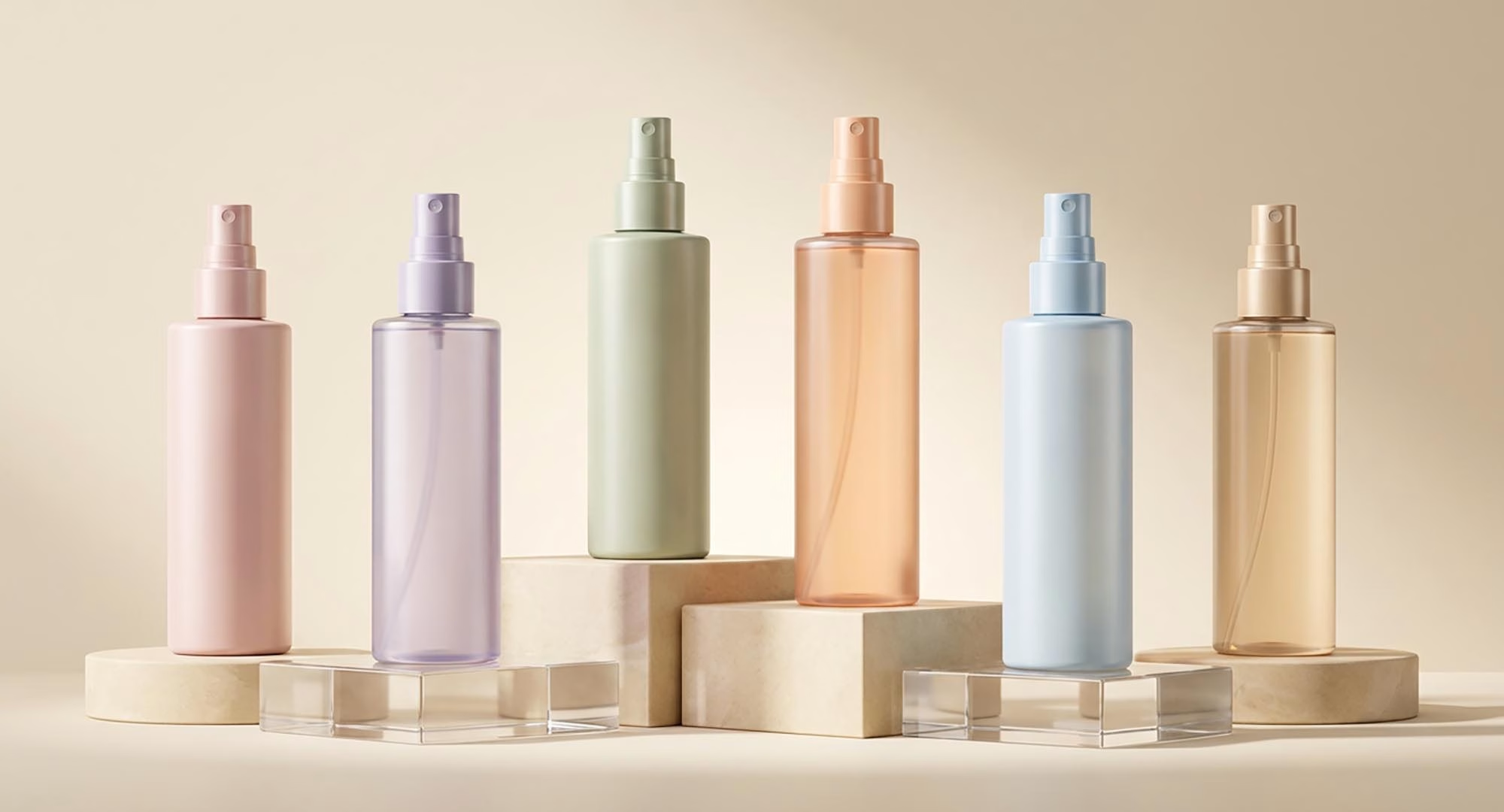
Almost every body spray line is a range rather than a single product.
Customers in this category browse by scent rather than by brand loyalty, so a shelf with six variants outperforms a shelf with one.
The efficiency comes from sharing. One bottle, one sprayer, one carton size and one artwork template across six scents keeps component costs at range level rather than product level.
Decide on the shared format early. Changing it once components are ordered means reordering everything, not just the part you changed.
A six-variant range built on shared components can buy almost as well as a single run of the same total quantity.
How Long Does Production Take?
Six steps, and the component supply is what stretches at volume.
- Size, material, sprayer, concentration and carton, fixed in writing.
- Scent selection. Usually from an existing library, since bespoke development is rare at this price tier.
- Component supply. Stock bottles are immediate. Custom tooling is not.
- Artwork and print. Labels and cartons to the printer’s schedule.
- Pre-production sample. One complete unit per variant, approved before scaling.
- Typically seven to thirty days, stretching with quantity and print work.
For a first large run, six to ten weeks end to end is realistic. Repeat runs move considerably faster because the specification already exists.
Quality Control at Volume

- Retained samples. A sealed reference from the approved batch, checked against later runs.
- Fill volume checks. Verified during the run, not only at the end.
- Sprayer testing. Sampled across the run rather than assumed from the first case.
- Batch traceability. Knowing which pallet came from which production date.
Minimums for a Body Spray Line
Production starts from around 1,000 units, though the category rarely works well there.
The honest position is that body spray economics improve sharply with scale. At a thousand units the setup costs sit heavily on each bottle, and your shelf price suffers for it.
If you are testing a concept, a small run is fine. If you are building a value-priced line to compete on shelf, plan for larger quantities from the start.
The minimum order page explains what moves the figure, and the same logic applies here with more weight.
Common Mistakes in a Body Spray Launch
Five, and the first is the expensive one.
- Pricing like perfume. This is a volume category. The margin comes from repeat purchase, not from unit price.
- Choosing the bottle last. It is the biggest cost decision, so it should be the first.
- Launching one scent. The category browses by variant. A single product underperforms on shelf.
- Ignoring freight. Size and weight decide your landed cost more than the juice does.
- Skipping sprayer testing. A pump that fails in month two produces returns and complaints.
Ask any supplier which fragrance safety standards they formulate against and how a batch is signed off. A vague answer at this volume is a risk you cannot afford.
Body Spray as a Companion Product
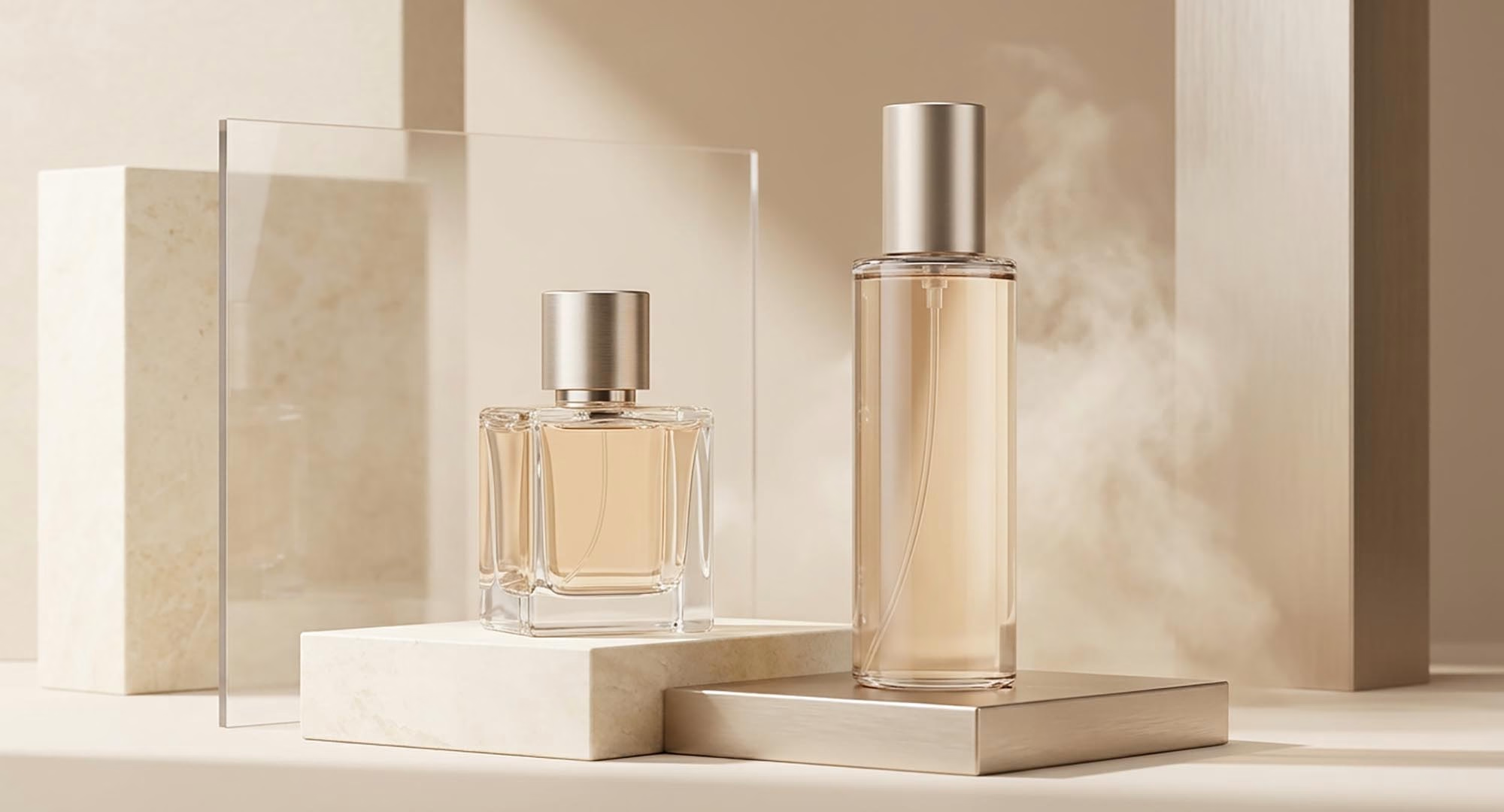
Often the smarter entry point for a fragrance brand.
If you already sell a perfume, a lighter body spray version of the same scent extends the range without new customer acquisition.
It also solves a pricing problem. Customers who admire your perfume but cannot justify the price get a way into the brand, and some of them trade up later.
Coordinating the scent across formats takes care, because a composition behaves differently at a lower concentration. Ask whether the factory rebalances the formula or simply dilutes it.
The same question applies to hair mists, which are covered on the hair mist page.
Where Body Spray Sells
Different channels want genuinely different products.
- Supermarkets and hypermarkets. Price-led, high volume, shelf-ready cartons and clear variant naming.
- Slightly more premium positioning, smaller facings, often sold alongside personal care.
- Gyms and sports retail. Practical formats, durable packaging, function over decoration.
- Online and marketplaces. Shipping-safe packaging matters more than shelf impact.
The online channel changes the brief most. A bottle designed to look good under shop lighting is not necessarily one that survives a courier network.
Decide your primary channel before you specify the packaging, because retrofitting a product to a different channel usually means new components.
Choosing Body Spray Manufacturers in UAE
Judge them on scale and on packaging range.
The best body spray manufacturers for your project are the ones comfortable with your volume and holding the components you need without custom tooling.
Ask about their largest recent run and their smallest. The gap between those two numbers tells you where they actually operate.
For calibration on presentation at this tier, Al Bait Al Dimashqi is a UAE label operating across value and mid-market price points in the region.
IGOP has manufactured fragrance in the UAE for more than forty-five years, producing up to roughly 15,000 bottles a day from its Ajman plant across perfumes, hair mists, body sprays, interior perfumes, candles and fragrance oils. The full range is here.
Bring your target shelf price and your expected volume, and the conversation becomes specific quickly.
FAQ
What is the difference between body spray and perfume?
Concentration. A body spray carries much less fragrance oil than an eau de parfum, which makes it lighter, cheaper and suitable for generous daily use. It is sold in larger bottles and repurchased far more often, so it works as a volume product rather than a high-margin one.
What is the minimum order for private label body spray?
Production can start from around 1,000 units, although the economics of this category improve substantially at larger volumes. At low quantities the setup costs sit heavily on each bottle, which makes it difficult to reach a competitive shelf price against established value brands.
What size should a body spray be?
Most retail products sit between 150ml and 250ml, which feels generous without becoming awkward to carry or costly to ship. Smaller sizes around 100ml suit travel and gift sets. Decide the size before anything else, because it drives your component cost, your freight and your shelf price.
Should I launch one body spray or several?
Several, in almost every case. Customers browse this category by scent rather than by brand, so a range of variants performs better on shelf than a single product. Using one bottle, sprayer and carton size across all of them keeps component costs at range level.
Can I make a body spray version of my existing perfume?
Yes, and it is a common way to extend a range. The composition needs rebalancing rather than simply diluting, because notes behave differently at a lower concentration. Ask whether the manufacturer reworks the formula or just reduces the strength, as the results are noticeably different.
READY TO ELEVATE YOUR BRAND'S FRAGRANCE EXPERIENCE ?
READY TO ELEVATE YOUR BRAND'S FRAGRANCE EXPERIENCE ?
READY TO ELEVATE YOUR BRAND'S FRAGRANCE EXPERIENCE ?
Ready to Elevate Your Brand's Fragrance Experience ?
Partner with IGOP and transform your fragrance ideas into market-leading products. Our expertise, capacity, and commitment to quality ensure your vision is realized, exactly the way you want it. Your vision, your budget, our expertise.
